
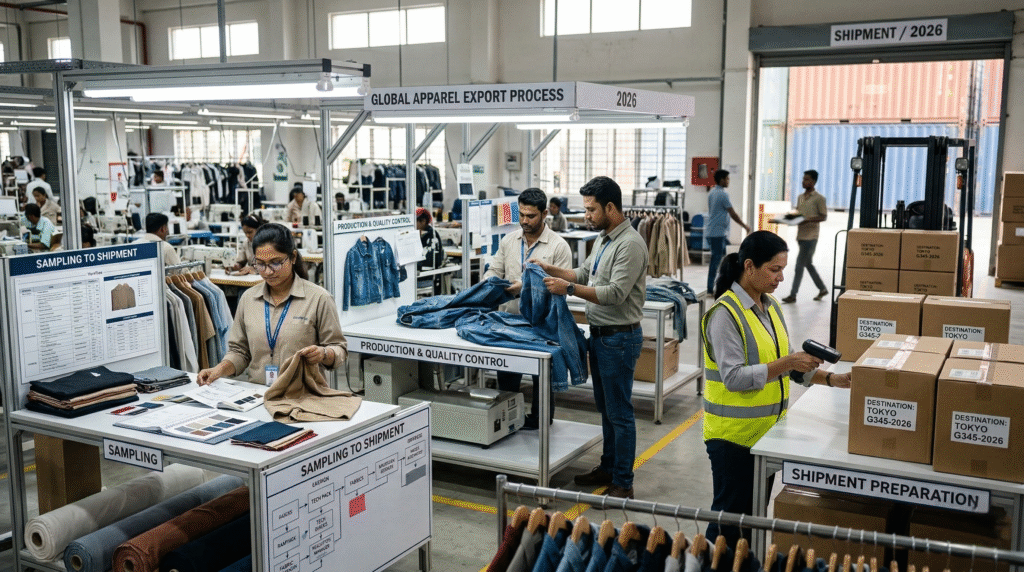

This guide is designed for international fashion retailers, sourcing managers, and procurement teams who work with overseas manufacturers and need reliable, traceable clothing export 2026 processes. You’ll discover how modern exporters create accountability at every stage while meeting the growing demand for garment production transparency.
We’ll walk you through the critical phases that define successful partnerships: sample development apparel procedures that get approvals right the first time, and robust apparel quality control systems that catch issues before they become costly problems. You’ll also see how fashion supply chain management technology now gives buyers real-time insights into production timelines, material sourcing, and shipping schedules.
By the end, you’ll understand what separates top-tier manufacturers from the competition and know exactly what to expect from partners who prioritize clothing manufacturer transparency in today’s demanding market.
Understanding Market Demands and Buyer Requirements in 2026

Analyzing emerging sustainability standards and compliance needs
Global buyers in 2026 expect transparent manufacturing for global buyers that goes beyond surface-level commitments. The new wave of sustainability standards focuses on measurable impact rather than vague promises. OEKO-TEX Standard 100 has expanded to include carbon footprint tracking, while the Global Organic Textile Standard (GOTS) now requires detailed water usage reports throughout the apparel export process.
Brands are demanding suppliers provide blockchain-verified documentation showing chemical usage, energy consumption, and waste management practices. The EU’s Digital Product Passport, mandatory for textiles by 2026, means every garment needs complete traceability data from fiber to finished product. This shift affects clothing export 2026 strategies significantly, as buyers prefer suppliers who can demonstrate compliance before production begins.
Circular economy principles are reshaping buyer expectations. Manufacturers must show how their processes support recycling, upcycling, and biodegradable materials. The new sustainability frameworks require suppliers to present detailed reports on water recycling systems, renewable energy usage, and worker welfare programs.
Identifying key quality benchmarks for different global markets
Global apparel sourcing demands vary dramatically across regions. European buyers prioritize durability testing and restricted substance compliance, while US markets focus on performance standards and labeling accuracy. Asian markets emphasize fit consistency and color fastness, creating complex quality matrices for manufacturers.
The latest quality benchmarks include:
| Market Region | Primary Quality Focus | Testing Requirements |
|---|---|---|
| Europe | Chemical compliance, durability | REACH, CPSIA, wash tests |
| North America | Performance, safety | AATCC standards, flammability |
| Asia-Pacific | Fit consistency, aesthetics | Color matching, dimensional stability |
Fashion supply chain management now requires real-time quality monitoring systems. Buyers expect manufacturers to provide instant access to quality control data, including fabric inspection results, construction tolerances, and finishing standards. The shift toward predictive quality management means suppliers must identify potential issues before they become problems.
Recognizing technological integration expectations from modern buyers
Modern buyers expect seamless digital integration throughout the apparel export process. Cloud-based production management systems allow real-time visibility into order status, inventory levels, and production schedules. Buyers want instant access to sample photos, technical specifications, and production updates through integrated platforms.
Clothing manufacturer transparency relies heavily on IoT sensors that track production metrics, environmental conditions, and machine performance. Smart factories equipped with RFID tracking enable buyers to monitor their orders from cutting to packaging. This level of technological integration supports garment production transparency by providing automated reporting and reducing manual errors.
Artificial intelligence plays a growing role in quality prediction and demand forecasting. Buyers expect suppliers to use AI-powered systems for pattern optimization, size grading, and defect detection. Machine learning algorithms help manufacturers anticipate buyer needs and adjust production accordingly.
Digital sample development platforms reduce lead times and improve accuracy. 3D visualization tools allow buyers to approve designs without physical samples, speeding up the development process while maintaining quality standards. These technological expectations reshape how manufacturers approach textile export logistics and customer communication strategies.
Streamlining Sample Development and Approval Processes

Implementing Digital Design Collaboration Tools for Faster Iterations
Modern sample development apparel processes demand real-time collaboration between manufacturers and global buyers. Cloud-based design platforms like Adobe Creative Cloud for Teams and specialized fashion tech solutions such as Browzwear and CLO 3D enable instant sharing of technical sketches, 3D prototypes, and material specifications. These tools cut traditional email chains and eliminate the confusion that comes with version control issues.
Fashion supply chain management becomes more efficient when teams can comment directly on digital samples, suggest modifications, and approve changes within the same platform. Virtual fitting sessions through 3D modeling reduce the need for multiple physical samples, saving both time and material costs. Buyers can visualize garments on different body types and in various colorways before any fabric is cut.
Integration with pattern-making software allows technical designers to instantly implement buyer feedback. Changes to seam placements, pocket positions, or trim details can be visualized immediately, dramatically reducing the back-and-forth traditionally required in apparel export process workflows.
Establishing Clear Communication Protocols with International Clients
Time zone differences and language barriers can derail even the most well-planned sample development schedules. Smart manufacturers establish structured communication frameworks that account for global working hours. Weekly progress calls scheduled at rotating times ensure all stakeholders stay informed without burdening any single region.
Standardized communication templates help maintain consistency across different buyer relationships. Sample request forms, revision logs, and approval checklists create a common language between international teams. These templates should include specific fields for technical specifications, delivery requirements, and quality expectations.
Response time agreements set clear expectations for both parties. Manufacturers might commit to 24-hour turnarounds for technical questions while buyers agree to provide feedback within 48 hours of receiving samples. WhatsApp Business groups and dedicated Slack channels keep conversations organized and searchable.
Regular video conferences replace lengthy email threads. Screen sharing during these calls allows real-time review of samples, immediate clarification of concerns, and faster decision-making. Recording these sessions creates a reference library for future development cycles.
Creating Standardized Sample Evaluation Criteria
Inconsistent evaluation methods lead to repeated revisions and missed deadlines. Transparent manufacturing for global buyers requires objective assessment standards that both manufacturers and clients understand. Detailed evaluation matrices cover fit, construction quality, material performance, and aesthetic appeal using numerical scoring systems.
Physical sample evaluation forms should include standardized measurements, construction checkpoints, and visual references. Photos taken under consistent lighting conditions document color accuracy, print registration, and surface texture. These images become part of the approval record and reference point for bulk production.
Digital evaluation tools streamline the review process. Buyers can access interactive checklists through manufacturer portals, complete with zoom functionality for detailed inspection. Comments link directly to specific garment sections, eliminating ambiguity about required changes.
Quality benchmarks established during initial sampling create clear targets for subsequent iterations. Acceptable tolerance ranges for measurements, color variation, and construction details prevent endless revision cycles. These standards should align with the final apparel quality control requirements planned for bulk production.
Reducing Sample Development Timelines Through Automated Workflows
Clothing export 2026 success depends on compressed development cycles that don’t sacrifice quality. Automated workflow systems trigger next steps immediately upon completion of previous phases. Sample requests automatically generate cutting tickets, material requisitions, and production schedules without manual intervention.
Integration between design software and production systems eliminates data re-entry. Technical specifications flow directly from approved designs into pattern-making and cutting systems. This seamless transfer reduces errors and speeds up the transition from approval to physical sample creation.
Automated progress tracking keeps all stakeholders informed without constant manual updates. Clients receive notifications when samples enter cutting, when construction begins, and when shipping occurs. Photo updates at each milestone provide visual confirmation of progress.
Smart scheduling algorithms optimize sample room capacity by analyzing historical data on construction times and resource requirements. Rush orders get automatically prioritized while regular development maintains steady flow. This system prevents bottlenecks that typically occur when multiple urgent requests compete for limited sample room resources.
Barcode tracking systems follow samples through each development phase. Scanning checkpoints capture time stamps, quality notes, and completion status. This data feeds back into workflow optimization, continuously improving timeline accuracy and resource allocation.
Building Transparent Production Planning and Scheduling

Providing real-time production capacity visibility to buyers
Buyers crave visibility into their orders like never before. Gone are the days when manufacturers could operate behind closed doors, leaving global buyers guessing about production capacity and availability. Today’s transparent manufacturing for global buyers demands real-time dashboards that show exactly what’s happening on the factory floor.
Smart manufacturers now offer live capacity tracking through digital platforms where buyers can see machine utilization rates, workforce availability, and order queues at any given moment. This transparency builds trust and helps buyers make informed decisions about order placement and timing.
Production capacity visualization includes detailed breakdowns by product categories, showing which lines handle specific garments like woven shirts versus knits. Buyers can view historical capacity data alongside current metrics, enabling them to predict future availability patterns and plan their sourcing strategies accordingly.
Setting realistic delivery timelines with buffer considerations
Creating accurate delivery timelines requires honest assessment of production capabilities combined with smart buffer planning. Experienced manufacturers build in realistic buffers that account for potential delays without padding timelines unnecessarily.
The key lies in transparent communication about lead times from the start. Rather than promising unrealistic delivery dates to win orders, successful exporters provide detailed timeline breakdowns showing each production phase:
-
Sample development: 7-10 days
-
Material sourcing: 15-20 days
-
Cutting and preparation: 3-5 days
-
Manufacturing: 12-18 days
-
Quality inspection: 2-3 days
-
Packaging and shipment: 2-4 days
Buffer considerations include seasonal capacity constraints, raw material availability fluctuations, and potential quality rework time. Smart manufacturers maintain 10-15% buffer time for standard orders and 20-25% for complex designs or new buyer relationships.
Creating milestone-based progress tracking systems
Milestone-based tracking transforms the traditional black box of garment production transparency into clear, measurable checkpoints that buyers can monitor. Each order progresses through defined stages with specific completion criteria and documentation requirements.
Effective milestone systems break production into digestible chunks:
| Milestone | Completion Criteria | Buyer Notification |
|---|---|---|
| Materials Received | All fabrics, trims inspected | Automated alert + photos |
| Cutting Complete | All pieces cut, bundled | Progress update + quantity report |
| 50% Production | Half of order sewn | Quality photos + timeline update |
| Final Inspection | QC completed, approved | Detailed inspection report |
| Ready to Ship | Packed, labeled, documented | Shipping confirmation + tracking |
Each milestone includes photographic evidence, quantity confirmations, and quality assessments. Buyers receive automated notifications when milestones are reached, along with any issues that might impact subsequent phases.
Implementing flexible scheduling for urgent order modifications
The apparel export process demands flexibility as buyer needs shift rapidly in response to market trends and consumer demands. Modern manufacturers build adaptability into their scheduling systems, allowing for order modifications without derailing entire production schedules.
Flexible scheduling operates on priority-based queue management where urgent modifications can be accommodated through resource reallocation. This might involve shifting production lines, adjusting worker assignments, or rearranging material procurement schedules.
Communication protocols for order changes include clear cut-off dates for different types of modifications. Design changes might be possible up to 48 hours before cutting begins, while color adjustments could be accommodated even later in the process, depending on dyeing schedules.
Successful manufacturers maintain reserve capacity specifically for urgent requests, typically 10-15% of total capacity. This flexibility comes at a premium, but buyers increasingly value partners who can adapt to changing market conditions while maintaining quality standards and delivery commitments.
Ensuring Quality Control Throughout Manufacturing

Establishing Multi-Stage Inspection Checkpoints with Documentation
Quality control begins the moment raw materials enter your facility. Smart manufacturers create detailed inspection checkpoints at fabric receipt, cutting, sewing, washing, finishing, and final packaging stages. Each checkpoint requires specific documentation protocols that track every detail buyers need to see.
Your fabric inspection should capture width variations, color consistency, defect locations, and shrinkage rates. Document everything with digital photos and measurements. During cutting, record pattern alignment, fabric utilization rates, and any adjustments made. The sewing stage needs stitch density checks, seam strength testing, and construction accuracy records.
Digital documentation systems now replace paper trails, making information instantly accessible to global buyers. QR codes on each garment link directly to its complete quality history. This apparel quality control approach builds trust with international partners who demand transparency.
Create standardized forms for each inspection point. Include visual references, measurement tolerances, and clear pass/fail criteria. Train your quality team to capture consistent, detailed records that buyers can review remotely.
Integrating Third-Party Quality Audits for Buyer Confidence
Independent quality audits add credibility that self-reporting simply can’t match. Global buyers increasingly require third-party validation before committing to large orders. Partner with recognized inspection agencies like SGS, Intertek, or Bureau Veritas to conduct regular facility audits.
Schedule third-party inspections at critical production milestones: pre-production approval, mid-production review, and final inspection before shipment. These audits should cover factory conditions, worker safety, production capacity, and quality systems effectiveness.
Transparent manufacturing for global buyers means sharing audit reports directly with customers. Don’t wait for buyers to request them. Proactive sharing demonstrates confidence in your processes and builds long-term partnerships.
Consider getting certified under internationally recognized standards like ISO 9001 or WRAP (Worldwide Responsible Accredited Production). These certifications provide ongoing third-party oversight and signal serious commitment to quality management.
Using Digital Quality Management Systems for Traceability
Modern quality management goes digital for good reason. Cloud-based systems provide real-time visibility into every aspect of production quality. Buyers can log in anytime to check their order status, review quality metrics, and access inspection reports.
Implement systems that capture quality data automatically through connected devices. Smart sewing machines record stitch counts and tension settings. Digital scales track fabric weights. Color matching equipment logs spectral data for every dye lot.
Garment production transparency requires seamless data integration across all production stages. Your quality management system should connect with inventory management, production planning, and shipping systems. This creates a complete digital twin of each order that buyers can monitor in real-time.
Choose platforms that offer mobile apps for your quality team. Floor inspectors need easy ways to upload photos, record measurements, and flag issues instantly. The faster problems get documented, the quicker they get resolved.
Creating Corrective Action Protocols for Quality Issues
Even the best systems encounter quality problems. What separates professional manufacturers from the rest is having clear protocols for addressing issues quickly and preventing recurrence.
Develop a standardized corrective action process that triggers automatically when quality metrics fall below acceptable levels. Define who gets notified, what immediate actions to take, and how to communicate with buyers about the situation.
Your protocol should include root cause analysis procedures. Don’t just fix the immediate problem – figure out why it happened and implement preventive measures. Document every step so you can demonstrate continuous improvement to buyers.
Create escalation matrices that define when to involve senior management or notify buyers directly. Minor issues might be handled internally, but major problems require immediate buyer communication. Fashion supply chain management demands this level of responsiveness.
Train your team to view quality issues as improvement opportunities rather than failures. This mindset shift encourages proactive problem identification and creates a culture of continuous enhancement.
Providing Buyers with Quality Reports at Each Production Stage
Regular quality reporting keeps buyers informed and builds confidence in your apparel export process. Create standardized reports for each production milestone that include key metrics, photos of finished products, and any issues encountered.
Your pre-production report should cover fabric inspection results, pattern approval status, and initial sample quality checks. Mid-production reports track daily quality metrics, production progress, and any process adjustments made.
Final inspection reports need comprehensive details: overall quality scores, defect rates by category, corrective actions taken, and final sample photos. Include statistical process control charts that show quality trends over time.
Design reports for easy scanning by busy buyers. Use visual dashboards with traffic light indicators for quick status assessment. Provide drill-down capabilities for buyers who want detailed technical information.
Clothing export 2026 standards require proactive communication. Send reports automatically rather than waiting for buyer requests. This approach demonstrates professionalism and keeps buyers engaged throughout the production process.
Managing Logistics and Shipment Coordination

Offering Multiple Shipping Options with Cost-Benefit Analysis
Modern global buyers expect flexibility when choosing shipping methods for their apparel orders. Smart exporters now present comprehensive shipping matrices that break down timing, costs, and reliability factors for each option. Air freight delivers speed but comes with higher costs – perfect for urgent orders or high-value items where time matters more than money. Sea freight offers the most economical solution for bulk orders, though transit times can stretch 15-30 days depending on destination ports.
Express courier services fill the gap between speed and cost, particularly valuable for sample shipments or smaller orders requiring door-to-door tracking. Regional consolidation services have gained popularity in 2026, where shipments get combined at hub locations to reduce per-unit costs while maintaining reasonable delivery timelines.
The key lies in presenting these options with transparent pricing breakdowns. Include fuel surcharges, handling fees, and potential customs duties upfront. Smart exporters create comparison tables showing cost per unit, transit time ranges, and insurance coverage levels for each shipping method. This transparency helps buyers make informed decisions based on their specific needs rather than just picking the cheapest option.
Providing Real-Time Shipment Tracking and Status Updates
Real-time tracking has become non-negotiable in the apparel export process. Buyers want visibility from factory gate to final destination, not just basic tracking numbers that update sporadically. Leading exporters now integrate with multiple tracking systems, providing consolidated dashboards where buyers can monitor their shipments across different carriers and transport modes.
Push notifications alert buyers to key milestones: when goods leave the factory, clear customs, arrive at ports, and reach final destinations. Mobile-friendly tracking platforms allow buyers to check shipment status on the go, sharing updates with their own customers or retail partners as needed.
Weather delays, port congestion, or customs holds no longer catch buyers off guard when exporters provide proactive communication. Advanced systems now predict potential delays using historical data and current conditions, giving buyers time to adjust their inventory planning or customer expectations accordingly.
Ensuring Proper Documentation for Customs Clearance
Documentation errors cause more shipment delays than any other factor in textile export logistics. Experienced exporters maintain digital document libraries with templates for every destination country, updated regularly to reflect changing customs requirements. Commercial invoices, packing lists, certificates of origin, and quality certificates must align perfectly with actual shipment contents.
Country-specific requirements vary dramatically. Some destinations require detailed fiber content breakdowns, while others focus on manufacturing location certificates. Smart exporters create destination-specific checklists that their documentation teams follow religiously. Digital document management systems flag inconsistencies before shipments leave the factory, preventing costly delays at destination ports.
Pre-clearance services have revolutionized customs processing for regular trading partners. By submitting documentation electronically before goods arrive, experienced exporters reduce clearance times from days to hours. This requires building relationships with customs brokers in key destination markets and maintaining pristine documentation records.
Managing Insurance and Risk Mitigation Strategies
Insurance strategies in apparel exports go beyond basic cargo coverage. Weather events, political instability, currency fluctuations, and supply chain disruptions all pose risks that smart exporters address through comprehensive risk management frameworks. Marine cargo insurance typically covers physical damage during transit, but buyers increasingly expect broader protection.
Product liability insurance protects against claims related to manufacturing defects or safety violations. This coverage has become essential as global buyers face stricter regulations and consumer protection laws in their home markets. Trade credit insurance shields against buyer default, particularly valuable when working with new customers or during economic uncertainty.
Risk mitigation extends beyond insurance into operational strategies. Diversifying shipping routes reduces dependency on single ports or carriers. Multiple supplier relationships prevent production delays when primary factories face disruptions. Currency hedging strategies protect both exporters and buyers from exchange rate volatility that could impact final costs.
Smart exporters create risk assessment matrices for each market and customer relationship, adjusting coverage levels and mitigation strategies based on order values, destination stability, and customer creditworthiness. Regular risk reviews ensure strategies evolve with changing global conditions and trade environments.
Leveraging Technology for End-to-End Transparency

Implementing blockchain technology for supply chain visibility
Blockchain technology transforms the apparel export process by creating an unchangeable record of every transaction and movement throughout the fashion supply chain management. Each step – from fiber sourcing to final shipment – gets recorded on a distributed ledger that global buyers can access in real-time.
Smart contracts automate verification processes, ensuring garment production transparency without manual intervention. When raw materials arrive at the factory, blockchain records their origin, quality certificates, and batch numbers. As production progresses, each stage gets timestamped and verified, creating a complete audit trail for global apparel sourcing.
Major fashion brands already use blockchain platforms like VeChain and IBM Food Trust to track their supply chains. These systems prevent counterfeiting and give buyers confidence in product authenticity. The technology also enables quick identification of issues – if a quality problem emerges, manufacturers can trace it back to specific batches within minutes instead of days.
Creating buyer portals for order management and tracking
Custom buyer portals revolutionize how clothing export 2026 operations communicate with international clients. These platforms centralize all order information, from initial inquiries to final delivery confirmation.
Key portal features include:
-
Real-time order status updates with production milestones
-
Digital sample libraries with high-resolution images and specifications
-
Automated notification systems for delays or changes
-
Document management for contracts, compliance certificates, and shipping papers
-
Payment tracking with invoice history and outstanding balances
The best portals integrate with manufacturers’ ERP systems, pulling live data directly from production floors. Buyers can see exactly how many pieces completed cutting, stitching, or quality inspection yesterday. This visibility reduces phone calls and emails by up to 70%, freeing up staff for value-added activities.
Mobile-responsive design ensures buyers can check orders from anywhere, whether they’re at trade shows or traveling between offices.
Using AI-powered analytics for predictive delivery insights
Artificial intelligence analyzes historical production data, weather patterns, shipping schedules, and global events to predict delivery dates with remarkable accuracy. These systems learn from past performance, identifying patterns that human planners might miss.
AI algorithms process multiple data streams:
| Data Source | Impact on Predictions |
|---|---|
| Production capacity | Current workload affects timeline |
| Weather forecasts | Shipping delays from storms |
| Holiday schedules | Factory closures and reduced capacity |
| Port congestion | Extended customs clearance times |
| Currency fluctuations | Potential supplier changes |
Machine learning models continuously improve their predictions as they process more data. What starts as 85% accuracy in month one often reaches 95% or higher by year’s end. This precision helps buyers plan inventory, marketing campaigns, and retail launches with confidence.
Predictive analytics also identify potential bottlenecks before they occur. If AI detects that a key supplier might face capacity constraints in three months, manufacturers can adjust sourcing strategies proactively.
Integrating IoT sensors for real-time production monitoring
Internet of Things sensors embedded throughout manufacturing facilities provide instant visibility into every aspect of textile export logistics. These devices monitor machine performance, environmental conditions, and production progress without human intervention.
Temperature and humidity sensors ensure optimal conditions for clothing manufacturer transparency, preventing fabric defects from environmental factors. Vibration monitors on sewing machines detect maintenance needs before breakdowns occur, reducing unexpected delays.
RFID tags on work-in-progress inventory track garments as they move between production stages. Buyers can see exactly how many pieces are currently in cutting, sewing, pressing, and packing departments. This apparel quality control approach catches bottlenecks immediately rather than during weekly production meetings.
Energy consumption monitoring helps factories optimize their operations and meet sustainability requirements. Many global buyers now require carbon footprint reporting, making this data essential for contract renewals.
Production line sensors also measure operator productivity and identify training opportunities. When combined with quality checkpoints, this creates a comprehensive picture of manufacturing efficiency that benefits both producers and buyers through improved delivery performance.

The apparel export landscape of 2026 demands a complete shift toward transparency and collaboration between manufacturers and global buyers. By focusing on market demands, streamlining sample processes, building clear production schedules, maintaining strict quality control, coordinating logistics effectively, and embracing new technology, exporters can create partnerships that benefit everyone involved. This approach doesn’t just meet buyer expectations – it exceeds them while reducing risks and delays that have plagued the industry for years.
Success in today’s competitive market comes down to one simple truth: buyers want to know exactly what’s happening with their orders at every step. Start implementing these transparent practices now, even if it means overhauling existing processes. The exporters who embrace this level of openness will be the ones securing long-term contracts and building the strongest relationships with global brands. Your transparency today becomes your competitive advantage tomorrow.