
The Complete 2026 Guide to Sourcing Premium Shirts and Kids Wear from India: Quality, Compliance and FTA Benefits
Fashion brands, retailers, and procurement professionals are discovering why sourcing shirts from India and kids wear manufacturers India offer unmatched value in 2026. India’s textile industry combines decades of expertise with modern manufacturing capabilities, making it the go-to destination for premium shirt suppliers India and children’s clothing suppliers India.
This comprehensive guide is designed for fashion buyers, brand managers, sourcing specialists, and business owners who want to tap into India garment manufacturing opportunities while securing the best quality and pricing. You’ll learn how to identify reliable Indian textile exporters, build profitable partnerships, and avoid common sourcing pitfalls.
We’ll walk you through identifying and vetting premium quality suppliers who can meet your specific requirements for both adult shirts and children’s apparel. You’ll discover proven strategies for finding manufacturers who specialize in quality shirt manufacturing India standards that match international expectations.
The guide also covers navigating quality standards and international compliance requirements that protect your brand reputation. We’ll break down textile compliance standards, safety certifications for kids wear, and documentation requirements that keep your imports smooth and legal.
Finally, you’ll master maximizing Free Trade Agreement benefits and cost savings through strategic FTA benefits India sourcing. Learn which agreements offer the biggest advantages for textile sourcing India 2026 and how to structure your supply chain for maximum savings.
Ready to transform your sourcing strategy and unlock India’s textile manufacturing potential?
Understanding India’s Textile Manufacturing Landscape for Shirts and Kids Wear
Major Manufacturing Hubs and Their Specializations
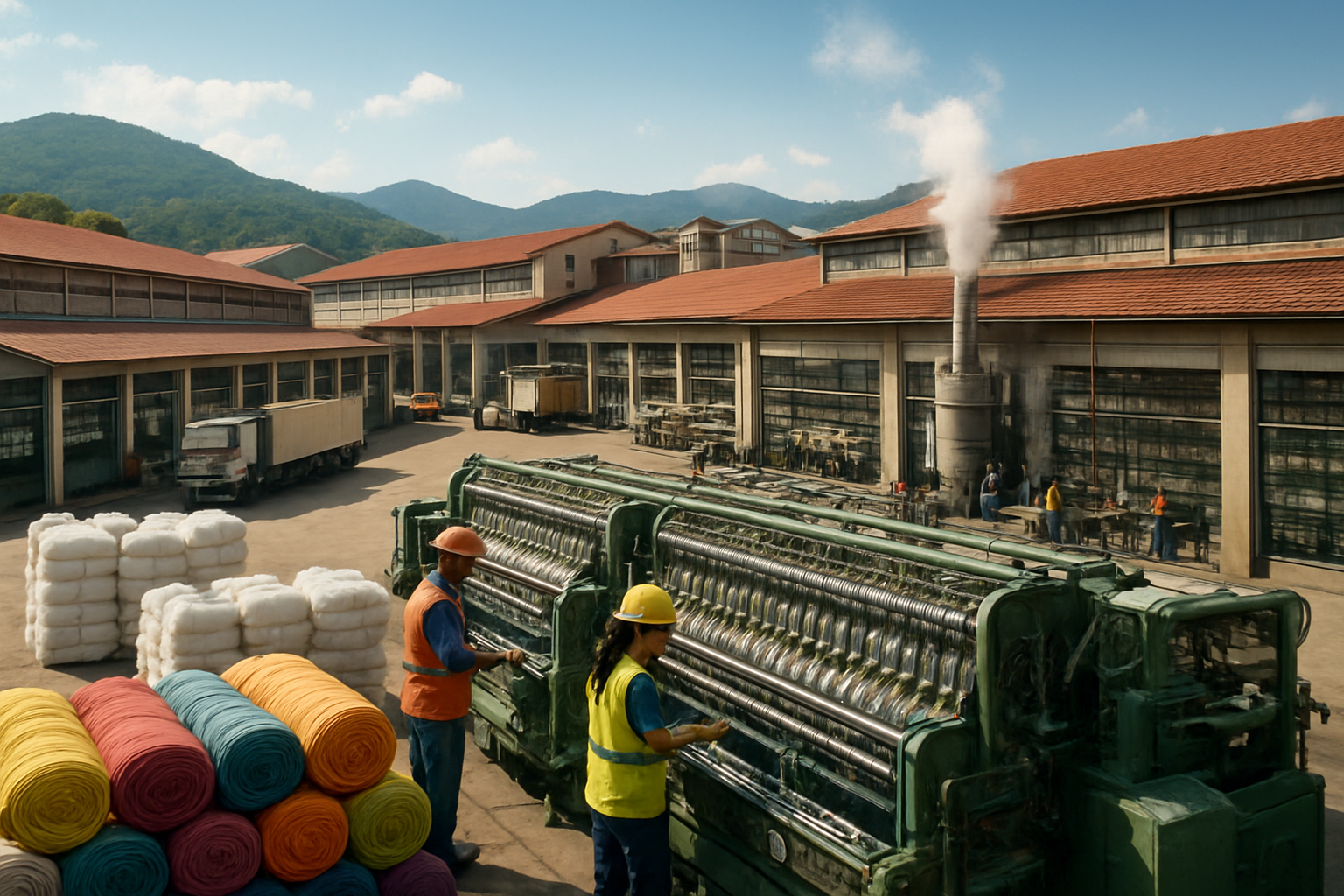
Tamil Nadu stands as India’s largest textile manufacturing state, particularly excelling in sourcing shirts from India through its sophisticated spinning and weaving infrastructure. Cities like Tirupur have earned the nickname “T-shirt Capital of India,” specializing in knitted garments and casual wear with over 10,000 manufacturing units. The region’s strength lies in cotton-based shirt manufacturing, offering vertical integration from yarn production to finished garments.
Karnataka, centered around Bangalore, has emerged as a premium destination for kids wear manufacturers India, with companies focusing on organic cotton and sustainable children’s clothing. The state’s tech-savvy approach has attracted international brands seeking high-quality, innovative children’s wear solutions.
Punjab dominates the formal shirt segment, leveraging its proximity to cotton-growing regions and skilled workforce specializing in woven fabrics. The state’s manufacturers excel in producing dress shirts, formal wear, and corporate uniforms with consistent quality standards.
Haryana has positioned itself as a key player in children’s clothing suppliers India market, with dedicated industrial clusters in Gurgaon and Faridabad focusing on branded kids’ apparel. These facilities often maintain international certifications and cater to global retail chains.
West Bengal, particularly around Kolkata, specializes in handloom and artisanal shirt production, offering unique textures and traditional craftsmanship that appeals to premium market segments. The region combines traditional techniques with modern production methods.
Production Capacity and Scale Advantages
India’s textile manufacturing capacity offers unmatched scalability for India garment manufacturing operations. The country houses over 50,000 textile manufacturing units with combined production capacity exceeding 60 billion pieces annually. This massive infrastructure enables manufacturers to handle orders ranging from 5,000 pieces for boutique brands to 5 million pieces for major retailers.
Premium shirt suppliers India benefit from economies of scale through shared supply chains and specialized vendor networks. Large manufacturing hubs support minimum order quantities as low as 1,000 pieces while maintaining cost competitiveness. The integrated supply chain includes dedicated facilities for:
Raw material processing and fabric development
Cutting and pattern-making operations
Assembly and finishing processes
Quality control and packaging services
Logistics and export documentation
Mid-sized manufacturers typically operate with 200-500 machines, producing 10,000-25,000 pieces monthly, while large-scale operations can exceed 100,000 pieces monthly. This flexibility allows brands to scale production based on seasonal demands and market growth.
The concentration of manufacturers in specific regions creates competitive pricing through shared infrastructure costs, bulk raw material procurement, and specialized labor pools. These advantages translate to 15-25% cost savings compared to dispersed manufacturing models.
Technology Integration in Indian Textile Manufacturing
Textile sourcing India 2026 landscape showcases significant technological advancement across manufacturing processes. Computer-aided design (CAD) systems have become standard in premium facilities, enabling precise pattern-making and reducing fabric waste by up to 12%. Automated cutting tables using laser and ultrasonic technology ensure consistent quality while improving production efficiency.
Digital printing technology has revolutionized kids wear production, allowing for vibrant, durable prints with reduced water consumption and faster turnaround times. Many Indian textile exporters have invested in direct-to-garment printing equipment, enabling custom designs and small-batch production without traditional screen printing setup costs.
Enterprise Resource Planning (ERP) systems now integrate production planning, inventory management, and order tracking across major manufacturing facilities. These systems provide real-time visibility into production status, enabling better coordination with international buyers and reducing lead times by 20-30%.
Quality management has benefited from automated inspection systems using computer vision technology to detect defects in fabrics and finished garments. These systems maintain consistent quality standards while reducing manual inspection time and costs.
RFID technology implementation in inventory management allows precise tracking of raw materials and finished goods throughout the supply chain, improving transparency and reducing inventory holding costs.
Seasonal Production Cycles and Planning Considerations
Quality shirt manufacturing India operates on distinct seasonal cycles that directly impact sourcing strategies. The peak production season runs from August to March, aligning with global retail calendars and favorable weather conditions for manufacturing operations.
Summer collection production typically begins in September, with fabric sourcing and sampling completed by October. Bulk production runs from November to February, taking advantage of cooler temperatures that improve working conditions and fabric quality. This timeline accommodates spring/summer deliveries to international markets.
Winter collection planning starts in February, with production cycles running from April to August. However, monsoon seasons (June-September) can impact cotton quality and transportation, requiring careful planning and buffer inventory management.
Kids wear manufacturing follows school calendar cycles, with back-to-school collection production peaking from February to May. Holiday season items require production planning starting in June for October-November deliveries.
Production planning considerations include:
| Season | Production Period | Key Considerations | Capacity Utilization |
|---|---|---|---|
| Spring/Summer | Nov-Feb | Optimal weather, peak capacity | 85-95% |
| Fall/Winter | Apr-Aug | Monsoon planning, moderate capacity | 70-80% |
| Holiday/Festival | Jun-Sep | Specialized designs, variable capacity | 60-75% |
Manufacturers recommend placing orders 120-150 days before required delivery dates, accounting for seasonal variations, raw material procurement, and quality testing cycles. Advanced planning during off-peak seasons can result in 10-15% cost savings and better production slot availability.
Identifying and Vetting Premium Quality Suppliers
Key Quality Indicators for Shirt and Kids Wear Manufacturers
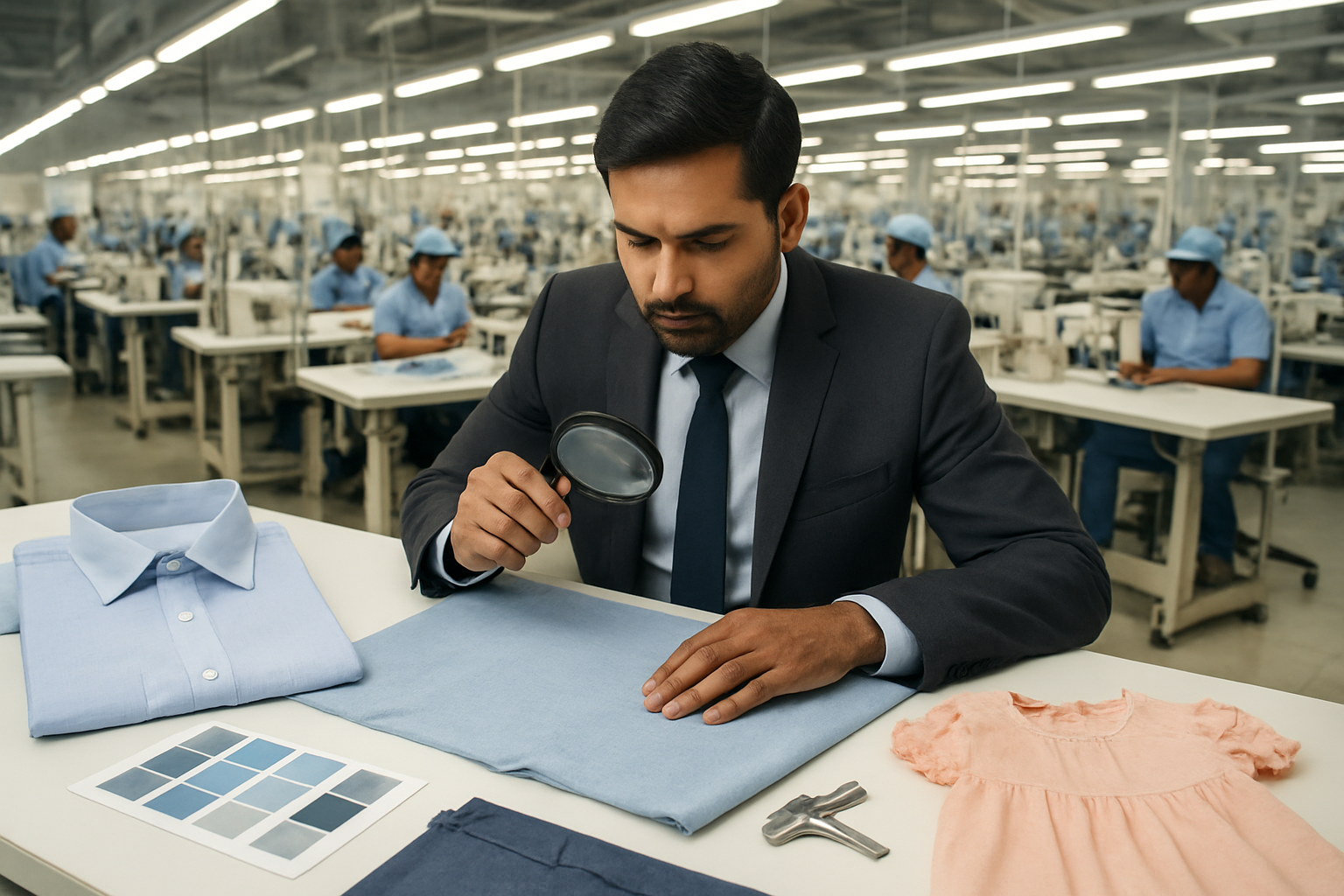
Premium shirt suppliers India and children’s clothing suppliers India can be identified through several critical quality indicators that separate exceptional manufacturers from mediocre ones. Fabric quality stands as the foundation – look for suppliers who source premium cotton varieties like Egyptian cotton, Pima cotton, or certified organic materials. The thread count, weave consistency, and pre-shrunk treatments directly impact the final product’s durability and feel.
Manufacturing capabilities reveal another layer of quality assessment. Modern textile sourcing India 2026 requires suppliers equipped with advanced machinery, automated cutting systems, and precise stitching technology. Check for manufacturers who maintain consistent seam strength, proper button attachment techniques, and reinforced stress points. Quality shirt manufacturing India specialists typically showcase their production processes transparently, allowing potential partners to evaluate their technical expertise firsthand.
Certifications serve as reliable quality benchmarks. Look for suppliers holding OEKO-TEX Standard 100 certificates, GOTS (Global Organic Textile Standard) accreditation, and ISO 9001:2015 quality management certifications. These credentials validate their commitment to both product quality and environmental responsibility.
Production capacity and flexibility indicators matter significantly. Premium manufacturers demonstrate ability to handle varying order sizes while maintaining consistent quality levels. They should offer sample development capabilities, customization options, and reasonable lead times without compromising standards.
Supplier Assessment Frameworks and Audit Processes
Developing a structured assessment framework transforms supplier evaluation from guesswork into scientific precision. Create a weighted scoring system covering five core areas: quality control processes (30%), manufacturing capabilities (25%), compliance standards (20%), financial stability (15%), and communication effectiveness (10%).
Quality control assessments require on-site factory visits or virtual audits. Examine their incoming raw material inspection procedures, in-process quality checkpoints, and final product testing protocols. Top India garment manufacturing facilities maintain dedicated quality labs with fabric testing equipment, color matching systems, and dimensional stability testing capabilities.
| Assessment Area | Key Metrics | Evaluation Method |
|---|---|---|
| Quality Systems | ISO certifications, defect rates | Document review, factory audit |
| Production Capacity | Monthly output, scalability | Capacity analysis, equipment inventory |
| Compliance Status | Labor standards, environmental permits | Third-party audit reports |
| Financial Health | Credit ratings, payment terms | Financial statement analysis |
Due diligence processes should include reference checks from existing international clients, particularly those sourcing similar product categories. Request detailed case studies showcasing how suppliers handled challenges like rush orders, quality issues, or design modifications.
Third-party audit services like SGS, Intertek, or Bureau Veritas provide independent verification of supplier capabilities. These professional assessments cover everything from social compliance to technical manufacturing standards, offering objective insights that internal evaluations might miss.
Documentation requirements include business licenses, export certifications, insurance coverage, and intellectual property protection policies. Suppliers should readily provide these documents along with detailed company profiles highlighting their specialization in shirts or kids wear manufacturing.
Building Long-term Partnership Relationships
Successful partnerships with Indian textile exporters extend far beyond transactional relationships. Start by aligning expectations through detailed partnership agreements that outline quality standards, delivery timelines, communication protocols, and continuous improvement goals. Clear agreements prevent misunderstandings and establish mutual accountability from day one.
Communication infrastructure plays a crucial role in partnership success. Establish regular review meetings, implement shared project management platforms, and ensure key personnel from both sides have direct contact channels. Many premium shirt suppliers India now offer dedicated account managers for international clients, streamlining communication and problem resolution.
Investment in supplier development yields long-term benefits. Consider providing technical training, sharing market insights, or collaborating on product development initiatives. These investments demonstrate commitment while improving supplier capabilities. Some successful partnerships include joint participation in trade shows, co-development of sustainable practices, or shared investment in new technologies.
Performance monitoring systems maintain relationship health. Implement key performance indicators covering delivery accuracy, quality metrics, responsiveness, and innovation contributions. Regular scorecards help identify improvement areas while recognizing exceptional performance.
Flexibility and adaptability strengthen partnerships during challenging periods. The best suppliers demonstrate willingness to adjust production schedules, modify designs, or accommodate urgent requirements when business needs change. This flexibility often distinguishes premium manufacturers from their competitors.
Financial partnership structures can include preferred payment terms, volume-based pricing agreements, or exclusive supplier arrangements. These arrangements benefit both parties by providing suppliers with predictable business while offering buyers competitive pricing and priority service.
Risk sharing mechanisms protect both parties from unforeseen circumstances. Consider establishing shared inventory management systems, collaborative demand forecasting, or joint contingency planning for supply chain disruptions. These approaches transform suppliers from vendors into strategic partners invested in mutual success.
Navigating Quality Standards and International Compliance Requirements
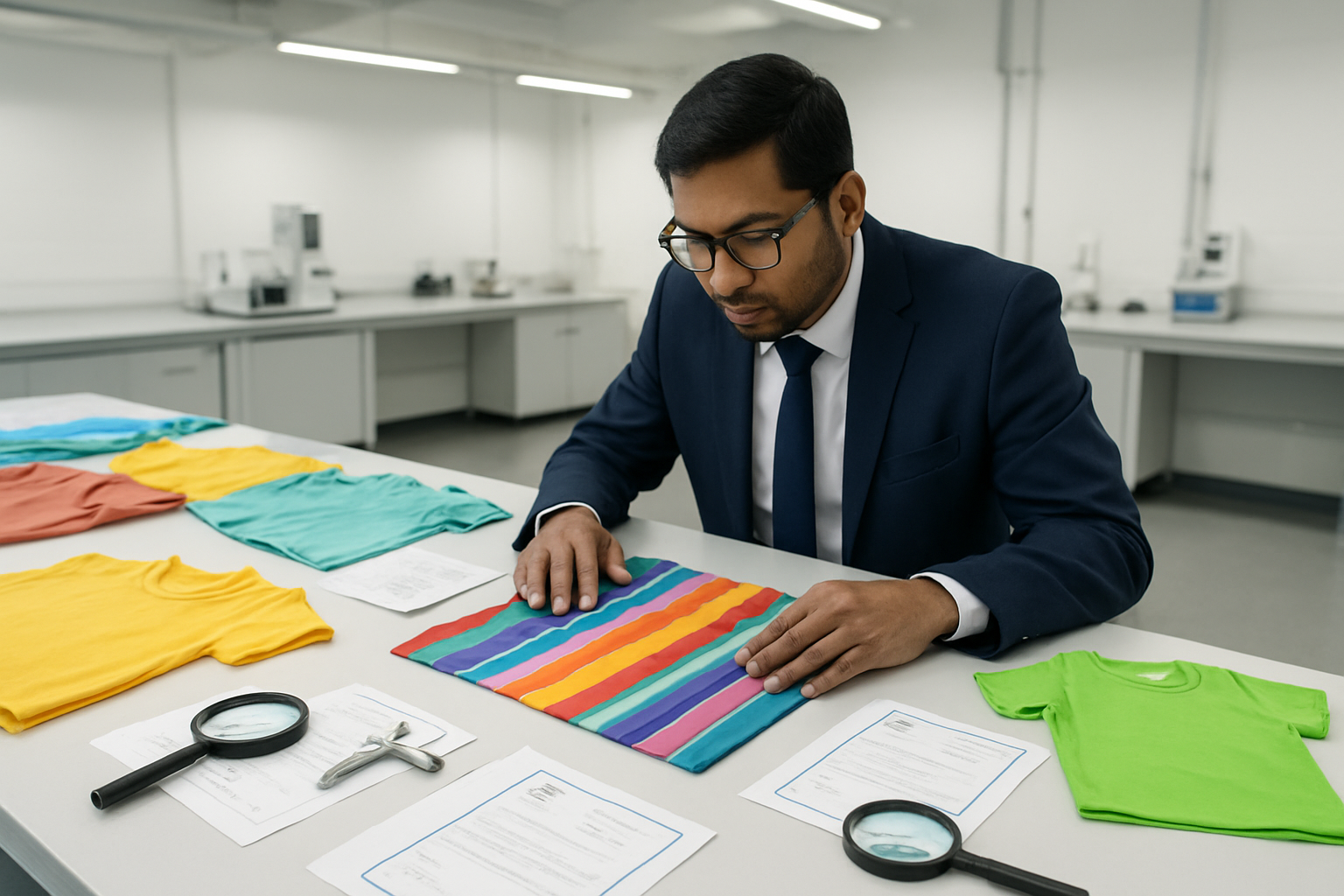
Global Safety Standards for Children’s Apparel
When sourcing kids wear manufacturers India, understanding international safety standards becomes your top priority. The EU’s EN 71 standard sets strict requirements for mechanical and physical properties, flammability, and chemical migration in children’s clothing. Your Indian suppliers must demonstrate compliance with these regulations through proper testing and documentation.
The Consumer Product Safety Improvement Act (CPSIA) in the United States mandates lead testing for children’s products, while ASTM F963 covers toy safety requirements that often apply to decorative elements on kids’ clothing. Japan’s ST Mark certification and Australia’s AS/NZS ISO 8124 standards add another layer of complexity to your compliance matrix.
Age-specific requirements vary significantly across markets. Infant wear (0-24 months) faces the most stringent regulations, including restrictions on small parts, cords, and drawstrings. Your children’s clothing suppliers India partners need to understand these nuances and implement appropriate design modifications for different export destinations.
Testing protocols require physical and mechanical property evaluations, including tensile strength of seams, button pull tests, and sharp edge assessments. Flame retardancy testing becomes mandatory for certain garment categories, particularly sleepwear and loose-fitting garments.
Fabric Quality Testing and Certification Processes
Quality shirt manufacturing India relies heavily on comprehensive fabric testing protocols that go beyond basic visual inspections. Dimensional stability testing ensures fabrics maintain their shape and size after washing, while colorfastness tests measure resistance to washing, light exposure, and perspiration.
Fiber content analysis verifies that fabric compositions match declared specifications. This testing becomes particularly important when dealing with blended fabrics or when customers have specific performance requirements. Pilling resistance, tear strength, and abrasion resistance tests provide insights into garment durability and customer satisfaction potential.
Certification bodies like OEKO-TEX, GOTS (Global Organic Textile Standard), and BCI (Better Cotton Initiative) offer internationally recognized standards that many buyers now require. OEKO-TEX Standard 100 testing covers harmful substances in textiles, while OEKO-TEX Made in Green adds social and environmental criteria to the equation.
Your Indian suppliers should maintain relationships with accredited testing laboratories such as SGS, Intertek, or Bureau Veritas. These partnerships ensure consistent testing protocols and internationally accepted certification processes that streamline your quality assurance procedures.
Chemical Compliance and Restricted Substance Lists
Chemical compliance represents one of the most complex aspects of textile sourcing India 2026. The REACH regulation in Europe maintains a dynamic list of Substances of Very High Concern (SVHC), currently containing over 230 substances that require careful monitoring and potential restriction.
ZDHC (Zero Discharge of Hazardous Chemicals) Manufacturing Restricted Substances List (MRSL) provides comprehensive guidance on chemicals prohibited during textile manufacturing. Your premium shirt suppliers India must implement strict chemical management systems that track and control the use of dyes, finishing agents, and processing aids throughout their production chains.
Common restricted substances include:
Formaldehyde (limits vary by age group and intended use)
Heavy metals (lead, mercury, cadmium, chromium VI)
Aromatic amines from certain azo dyes
Phthalates in children’s products
Perfluorinated compounds (PFCs) in water-repellent treatments
Regular testing protocols should include both incoming raw material screening and finished product verification. Many brands now require quarterly testing reports and maintain approved chemical lists that suppliers must strictly follow.
Your supply chain partners need robust chemical inventory management systems that track Material Safety Data Sheets (MSDS) for all chemicals used in production. This documentation becomes essential during audits and compliance verification processes.
Social and Environmental Compliance Standards
Social compliance standards have evolved from basic factory audits to comprehensive supply chain transparency requirements. India garment manufacturing facilities must demonstrate adherence to international labor standards including fair wages, reasonable working hours, and safe working conditions.
WRAP (Worldwide Responsible Accredited Production) certification provides a framework for ethical manufacturing practices, while SA8000 standards focus on social accountability throughout the supply chain. BSCI (Business Social Compliance Initiative) audits have become increasingly common among European buyers.
Environmental compliance encompasses water treatment, energy efficiency, and waste management practices. LEED certification for factory buildings, ISO 14001 environmental management systems, and carbon footprint reporting capabilities differentiate leading suppliers in today’s competitive landscape.
Transparency initiatives like the Higg Index allow suppliers to measure and communicate their environmental and social performance using standardized metrics. Your sourcing strategy should prioritize partners who actively participate in these industry-wide improvement programs.
Regular third-party audits, worker feedback mechanisms, and continuous improvement programs demonstrate genuine commitment to compliance rather than mere checkbox exercises. Look for suppliers who view compliance as a competitive advantage rather than a necessary burden.
Maximizing Free Trade Agreement Benefits and Cost Savings

Understanding India’s FTA Network and Tariff Advantages
India maintains comprehensive free trade agreements with over 20 countries and regional blocs, creating significant cost advantages for sourcing shirts from India and kids wear manufacturers India. The most impactful agreements for textile buyers include the India-ASEAN FTA, India-Japan CEPA, and the India-South Korea CEPA, which offer duty reductions ranging from 50% to 100% on textile products.
The India garment manufacturing sector benefits from preferential access to markets like the UAE through the India-UAE CEPA, where textile products enjoy zero-duty treatment. European buyers can leverage the EU’s Generalized Scheme of Preferences (GSP), providing reduced tariffs on Indian textile exports. For premium shirt suppliers India and children’s clothing suppliers India, these agreements translate to competitive pricing advantages of 8-15% compared to non-FTA sourcing destinations.
Regional Comprehensive Economic Partnership (RCEP) discussions, though India withdrew, still influence bilateral agreements. The India-UK FTA negotiations promise substantial benefits for textile trade, potentially offering duty-free access for Indian garments to the UK market.
Documentation Requirements for FTA Utilization
Proper documentation forms the backbone of successful FTA benefit realization when working with Indian textile exporters. The Certificate of Origin (CoO) serves as the primary document, requiring authentication from recognized agencies like the Export Inspection Council or designated Chambers of Commerce.
Essential documentation packages include:
Form A (GSP Certificate) – Required for EU, Canada, and other GSP-beneficiary countries
ASEAN Certificate of Origin – For shipments to ASEAN member nations
Commercial Invoice with FTA Declaration – Must specify HS codes and origin criteria
Packing List with Detailed Product Description – Including fabric composition and manufacturing processes
Bill of Lading/Airway Bill – With consignee details matching CoO information
Digital documentation systems like India’s Electronic Certificate of Origin (eCoO) platform streamline the process, reducing processing time from 3-5 days to same-day issuance. Textile sourcing India 2026 strategies must incorporate these digital workflows for optimal efficiency.
Buyers should establish clear documentation protocols with suppliers, including backup procedures for urgent shipments and contingency plans for document discrepancies at customs.
Rules of Origin Compliance for Textile Products
Quality shirt manufacturing India operations must meet specific Rules of Origin (RoO) criteria to qualify for FTA benefits. The “yarn forward” rule dominates most textile FTAs, requiring that yarn production, fabric weaving, and garment manufacturing occur within FTA member countries.
Key compliance requirements include:
| FTA Agreement | Primary Rule | Alternative Criteria |
|---|---|---|
| India-ASEAN | Yarn Forward | 40% value addition |
| India-Japan CEPA | Fabric Forward | 50% value addition |
| India-Korea CEPA | Cut-Make-Trim | Regional yarn requirement |
| EU-GSP | Double transformation | 47% value addition |
For children’s clothing, additional considerations apply regarding safety certifications and chemical compliance. Suppliers must maintain detailed production records showing the origin of raw materials, intermediate processes, and final assembly locations.
Value addition calculations require careful tracking of manufacturing costs, including labor, overhead, and material inputs. Many kids wear manufacturers India implement ERP systems to automatically calculate value addition percentages and generate compliance reports.
Non-compliance risks include retroactive duty payments, penalties, and potential suspension of FTA privileges. Regular audits of production processes and supplier certifications help maintain compliance standards.
Calculating Total Cost Benefits Beyond Initial Pricing
FTA benefits extend beyond simple tariff savings when sourcing shirts from India. Comprehensive cost analysis reveals multiple layers of advantages that smart buyers leverage for competitive positioning.
Direct tariff savings typically range from 5-20% depending on the destination market and product category. However, total cost benefits include:
Financial Advantages:
Reduced landed costs through lower duties
Improved cash flow from faster customs clearance
Lower insurance premiums due to preferential treatment
Reduced documentation and compliance costs
Operational Benefits:
Faster port clearance (24-48 hours vs. 5-7 days)
Reduced inspection rates at destination ports
Priority processing during peak seasons
Lower demurrage and detention charges
Strategic Advantages:
Enhanced price competitiveness in target markets
Ability to offer better margins to retail partners
Flexibility to absorb currency fluctuations
Improved supply chain reliability
Real-world calculations show that a $100,000 shipment of premium shirts from India to the EU can generate total savings of $18,000-$25,000 annually through combined FTA benefits, considering duty savings, reduced processing costs, and faster inventory turnover.
Indian textile exporters providing detailed cost breakdowns help buyers quantify these benefits accurately. Smart sourcing strategies incorporate FTA advantages into long-term pricing negotiations, creating win-win scenarios for both buyers and suppliers in the evolving textile sourcing India 2026 landscape.
Streamlining the Sourcing Process and Supply Chain Management
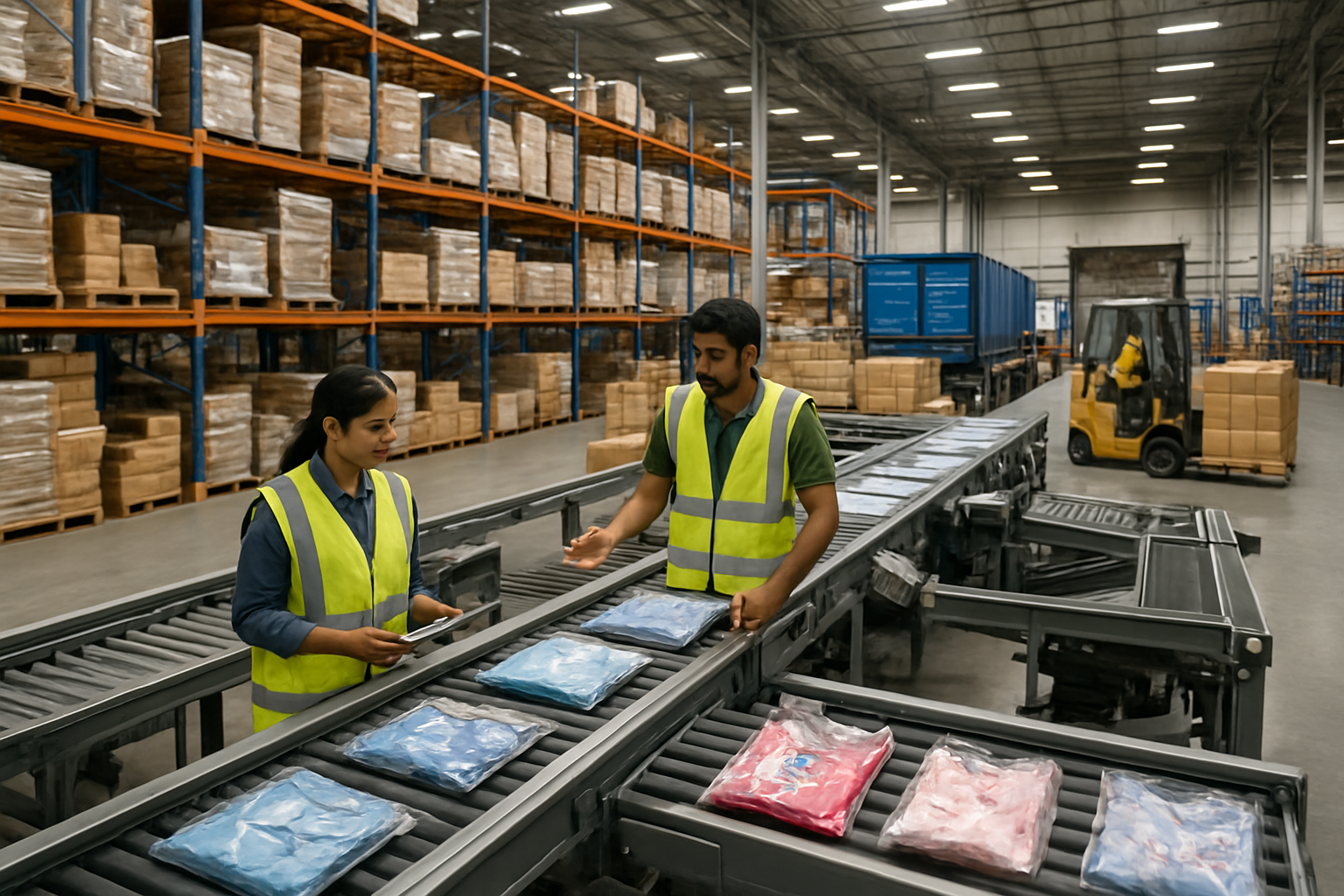
Efficient Communication Strategies with Indian Suppliers
Building strong communication channels with your textile sourcing India partners starts with understanding time zone differences and cultural nuances. Most premium shirt suppliers India operate between 9:30 AM to 6:30 PM IST, which means scheduling calls during overlap hours becomes crucial for real-time problem-solving.
WhatsApp Business has become the preferred instant communication tool for kids wear manufacturers India, allowing quick sharing of product photos, sample approvals, and urgent updates. Combine this with weekly video conferences using platforms like Zoom or Teams to maintain face-to-face relationships and discuss complex requirements.
Create standardized communication templates for common scenarios like order confirmations, quality issues, and shipping updates. This reduces miscommunication and ensures all parties understand expectations clearly. Many successful buyers establish dedicated communication channels for different functions – one for sales discussions, another for production updates, and a separate channel for urgent issues.
Language barriers can create challenges, so maintain written records of all verbal agreements. Follow up phone calls with email summaries outlining key decisions and next steps. When working with Indian textile exporters, assign specific points of contact on both sides to avoid confusion and ensure accountability.
Quality Control and Inspection Protocols
Pre-production samples remain your first line of defense against quality issues. Request samples at multiple stages: initial development, pre-production approval, and final production run. This three-tier approach catches potential problems early and saves costly corrections later.
Third-party inspection services like SGS, Bureau Veritas, or local quality assurance companies provide independent verification of your quality shirt manufacturing India standards. Schedule inspections at 50% production completion and final inspection before shipping. This dual-checkpoint system identifies issues while correction remains feasible.
| Inspection Stage | Focus Areas | Documentation Required |
|---|---|---|
| Pre-production | Fit, fabric quality, color matching | Sample approval forms |
| Mid-production | Construction techniques, sizing consistency | Progress reports with photos |
| Final inspection | Packaging, labeling, overall quality | Complete quality reports |
Establish clear quality parameters using internationally recognized standards like AATCC for colorfastness or ASTM for fabric strength. Share these specifications with your suppliers during the initial discussions, not after problems arise. Create quality checklists that cover fabric composition, stitching quality, measurements, and finishing details.
Random sampling protocols help maintain consistent quality across large orders. Follow AQL (Acceptable Quality Level) standards appropriate for your market segment. For premium products, use AQL 1.5, while standard retail items might accept AQL 2.5.
Logistics and Shipping Optimization
Ocean freight remains the most cost-effective option for bulk orders of shirts and children’s clothing suppliers India products, typically taking 25-35 days from major ports like Mumbai or Chennai to US destinations. Air freight works for urgent orders or high-value items but costs 4-6 times more than sea shipping.
Consolidation services help smaller buyers achieve better shipping rates by combining orders with other importers. Many freight forwarders in India specialize in textile shipments and understand the documentation requirements for garment manufacturing exports.
Container optimization directly impacts your bottom line. A 40-foot high cube container holds approximately 24,000-28,000 pieces of folded shirts, depending on packaging efficiency. Work with your suppliers to maximize container utilization through efficient packing methods and mixed-size assortments.
Documentation accuracy prevents costly delays at customs. Ensure commercial invoices match purchase orders exactly, and packing lists detail every item in each carton. Many buyers now require their suppliers to use specialized textile export documentation software that integrates with customs systems.
Incoterms selection affects both cost and responsibility distribution. FOB (Free on Board) terms give you control over shipping arrangements and freight forwarder selection, while CIF (Cost, Insurance, and Freight) transfers shipping responsibility to the supplier but may include hidden markups.
Track shipments using container tracking systems and maintain regular communication with your freight forwarder. Establish backup shipping options during peak seasons when container availability becomes limited, particularly during Indian festival periods like Diwali when factory schedules get compressed.
Risk Management and Contingency Planning

Political and Economic Risk Assessment
When sourcing shirts from India or working with kids wear manufacturers India, political stability and economic conditions can significantly impact your operations. The textile industry is particularly sensitive to policy changes, labor regulations, and international trade relationships.
Start by monitoring India’s political landscape and upcoming elections that might affect textile policies. Trade disputes between India and your home country can suddenly change tariff structures, making your carefully calculated cost projections obsolete overnight. Keep tabs on labor law modifications, environmental regulations, and export incentive schemes that directly affect India garment manufacturing.
Economic indicators like inflation rates, GDP growth, and industrial production indexes provide early warning signals. A slowdown in India’s economy might benefit buyers through competitive pricing, while rapid growth could lead to capacity constraints and higher wages among textile sourcing India operations.
Create a quarterly risk assessment report covering:
Political stability ratings from international agencies
Trade policy changes and bilateral relations
Economic indicators affecting manufacturing costs
Regional developments in major textile hubs like Tamil Nadu, Karnataka, and Gujarat
Establish relationships with local trade associations and chambers of commerce for insider perspectives. Many premium shirt suppliers India maintain government relations teams that can provide valuable intelligence on upcoming policy changes.
Supply Chain Disruption Mitigation Strategies
Modern supply chains face unprecedented challenges, from natural disasters to geopolitical tensions. Building resilience into your sourcing strategy protects against costly disruptions that can derail entire product launches.
Diversification stands as your primary defense mechanism. Never rely on a single supplier or geographic region for critical products. Spread your production across multiple states in India – if monsoons flood textile facilities in Maharashtra, your backup suppliers in Tamil Nadu can maintain production continuity. This approach works particularly well for children’s clothing suppliers India, where seasonal demand patterns allow for strategic inventory positioning.
Develop a supplier tiering system with primary, secondary, and emergency backup vendors. Your secondary suppliers should maintain at least 30% of your primary supplier’s capacity and undergo the same quality certifications. Emergency suppliers need pre-approved samples and established communication channels, even if you rarely use them.
Technology plays a crucial role in early warning systems. Implement supply chain visibility tools that track your suppliers’ suppliers. Many disruptions originate two or three tiers down the supply chain, where individual manufacturers source raw materials, dyes, and components.
Consider these backup strategies:
Maintain strategic inventory buffers for bestselling items
Establish alternative shipping routes and logistics partners
Create rapid supplier onboarding processes for emergencies
Develop relationships with trading companies that can quickly source from multiple manufacturers
Weather patterns increasingly affect Indian textile exporters. Monsoon delays can disrupt cotton harvests, while extreme heat waves impact factory productivity. Climate data should inform your production scheduling and inventory planning decisions.
Currency Fluctuation Protection Methods
The Indian Rupee’s volatility against major currencies creates both opportunities and risks for international buyers. Smart currency management can save significant costs while poor hedging strategies can erode profit margins.
Forward contracts provide the most straightforward protection mechanism. Lock in exchange rates for future payments, particularly for large orders placed months in advance. Most banks offer forward contracts up to 12 months, with some extending to 24 months for established relationships. This strategy works well when working with quality shirt manufacturing India suppliers who require advance payments for raw materials.
Natural hedging through operational adjustments can reduce currency exposure without financial instruments. If the Rupee strengthens against your currency, accelerate purchases and build inventory. When it weakens, consider delaying non-urgent orders or negotiating extended payment terms.
Options strategies provide flexibility that forward contracts lack. Currency options give you the right to exchange currencies at predetermined rates without the obligation. This protection costs more upfront but allows you to benefit from favorable currency movements while limiting downside risk.
Consider these practical approaches:
| Strategy | Best Used When | Cost | Flexibility |
|---|---|---|---|
| Forward Contracts | Large, predictable orders | Low | None |
| Currency Options | Uncertain order volumes | Medium | High |
| Natural Hedging | Flexible production schedules | None | Very High |
| Netting | Multiple suppliers/currencies | Low | Medium |
Payment timing optimization can reduce currency risk exposure. Structure contracts with multiple payment milestones rather than single large payments. This approach spreads currency risk across time and allows for natural hedging as exchange rates fluctuate.
Work with suppliers who accept multi-currency pricing or have overseas offices. Some established textile sourcing India companies maintain offices in major customer countries, enabling local currency transactions that eliminate your foreign exchange risk entirely.
Monitor leading economic indicators that influence currency movements: interest rate decisions, inflation data, trade balance reports, and foreign investment flows. These indicators often provide early signals about currency direction changes, allowing proactive adjustments to your hedging strategy.

India offers incredible opportunities for sourcing premium shirts and kids wear, but success depends on doing your homework. The key is finding reliable suppliers who meet international quality standards while taking advantage of the cost savings and FTA benefits available. When you focus on proper vetting, compliance requirements, and building strong relationships with manufacturers, you set yourself up for long-term success in this competitive market.
Smart sourcing isn’t just about finding the lowest price – it’s about creating a sustainable supply chain that delivers quality products consistently. Start by researching suppliers thoroughly, establish clear quality benchmarks, and always have backup plans ready. The Indian textile industry has proven itself as a global leader, and with the right approach, your business can tap into this expertise while enjoying significant cost advantages and trade benefits.